
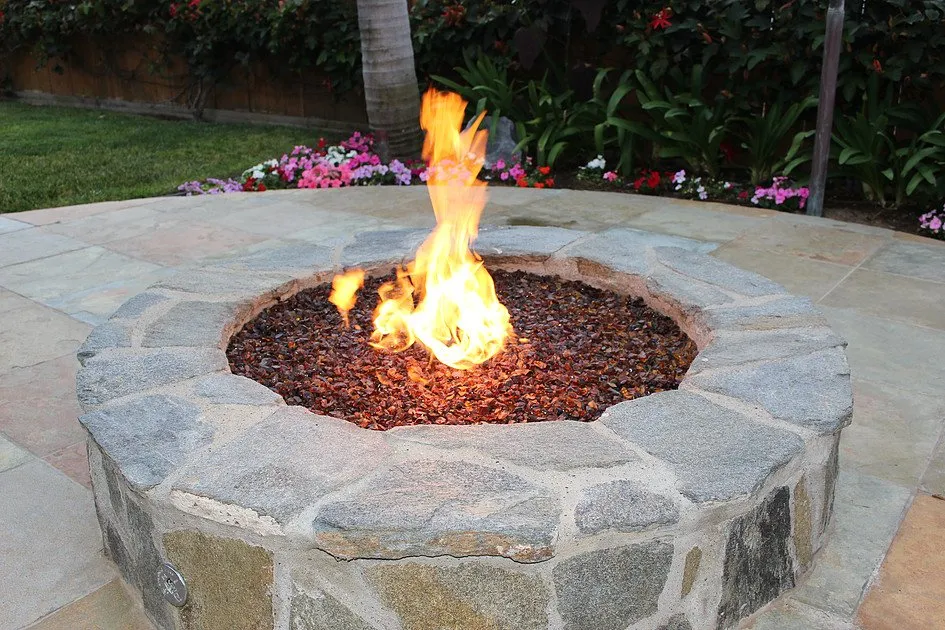
Why Outdoor Wood Fire Pits Are Perfect for Michigan Homes
Backyards across Michigan are quickly transforming into cozy outdoor living spaces, and one feature continues to stand out above the rest: the outdoor wood fire pit. There’s something deeply comforting about the glow of a real wood fire on a cool evening. Whether it’s the crackling sound of burning logs or the warm light dancing across the patio, fire pits instantly turn a backyard into a place people want to gather. For homeowners looking to upgrade their outdoor space without spending a fortune, wood fire pits offer one of the most rewarding improvements available.
Michigan’s weather makes fire pits especially appealing. Even during late spring or early fall, temperatures can dip enough to make outdoor spaces feel chilly. A wood fire pit changes that completely. Instead of heading indoors once the sun sets, families can stay outside longer, enjoying the warmth while sharing conversations, snacks, or stories. The fire becomes a centerpiece that draws everyone together naturally. It’s a simple feature, yet it completely changes how people experience their outdoor space.
Another reason homeowners love fire pits is the flexibility in design and cost. You don’t need a luxury budget to create something beautiful. In fact, many of the most charming fire pit designs are surprisingly affordable. A carefully arranged stone ring, a rustic steel fire bowl, or a recycled brick structure can look just as impressive as high-end installations when placed in the right setting. By combining creativity with smart landscaping choices, homeowners can achieve a resort-style backyard atmosphere at a fraction of the cost.
Companies like Luxury Resorts Design & Build help homeowners bring these ideas to life. With thoughtful planning and design expertise, even a modest fire pit project can feel like something you would see at a luxury retreat. The key isn’t always spending more money—it’s using the right materials, layout, and finishing touches to create an inviting outdoor environment.
Michigan’s Climate and the Rise of Backyard Fire Features
Michigan’s climate naturally encourages the use of fire pits. The state experiences cool evenings for much of the year, particularly during the spring and autumn seasons. While summer days can be warm, nighttime temperatures often drop enough that outdoor spaces become less comfortable without a heat source. Fire pits provide that warmth while adding a cozy visual element that patio heaters simply cannot match.
The seasonal lifestyle in Michigan also plays a role in fire pit popularity. Autumn is one of the most celebrated times of the year in the state. Crisp air, colorful leaves, and shorter evenings create the perfect environment for backyard bonfires. Many families look forward to gathering around a fire pit during this season, roasting marshmallows or simply enjoying the peaceful glow of the flames. It becomes a ritual that turns an ordinary evening into something memorable.
Wood-burning fire pits also create a sensory experience that other outdoor heating options lack. The smell of burning wood, the soft crackle of logs, and the flickering light all combine to create an atmosphere that feels both relaxing and nostalgic. These details might seem small, but they are exactly what make outdoor fires feel so special.
As outdoor living spaces continue to grow in popularity, more homeowners are investing in features that extend the usability of their yards. Fire pits do exactly that. Instead of limiting outdoor time to the warmest months, homeowners can enjoy their patios and backyards during cooler seasons as well. The result is an outdoor space that feels active and welcoming nearly all year long.
How Fire Pits Bring People Together
Few outdoor features create social interaction as naturally as a fire pit. Think about it for a moment: when a fire is burning, people instinctively gather around it. Chairs are pulled closer, conversations start easily, and the atmosphere becomes relaxed. The fire acts almost like a magnet, bringing friends and family together without anyone even realizing it.
Unlike indoor entertainment that often revolves around screens, fire pits encourage real conversations. People sit together, watch the flames, and talk about their day, their plans, or simply share stories. That kind of interaction is becoming increasingly valuable in a world where many gatherings revolve around phones and televisions. A backyard fire pit slows things down and encourages people to be present.
For homeowners who enjoy entertaining, a fire pit can dramatically improve backyard gatherings. Guests feel comfortable lingering outside long after dinner ends. Even a simple setup with a few chairs around the fire creates an inviting space where people want to stay. Add a few blankets, outdoor lighting, and maybe some music in the background, and suddenly the backyard feels like a small resort lounge.
There is also an emotional element to fire pits that homeowners often appreciate. Fires have always been central to human gathering spaces, from ancient campfires to modern outdoor patios. That tradition still resonates today. When people sit around a fire, they naturally relax and connect with each other. It’s a simple experience, but one that leaves lasting memories.
Michigan Fire Pit Rules and Safety Basics
Before building a fire pit in Michigan, homeowners should understand the basic safety rules that apply in most communities. While regulations can vary slightly depending on the city or township, the goal of these guidelines is always the same: prevent fires from spreading and ensure backyard fires remain safe for everyone nearby.
One of the most common requirements involves distance. Fire pits typically need to be placed at least 10 to 15 feet away from homes, fences, or other structures. This space helps prevent sparks or embers from reaching flammable surfaces. The area around the fire pit should also remain clear of dry leaves, branches, or other materials that could ignite easily.
Size limitations are also common. Many municipalities recommend that recreational fire pits remain around three to four feet in diameter. This size keeps the fire manageable while still providing enough warmth for people sitting nearby. Larger fires may require special permits or may not be allowed in residential areas.
Another important rule involves the type of materials used. Fire pits should always be built from non-combustible materials, such as stone, metal, or brick. These materials contain the heat safely and help prevent structural damage over time. A properly built fire pit not only looks better but also performs more safely in the long run.
Distance and Size Requirements
The distance between a fire pit and nearby structures is one of the most important safety considerations. Placing a fire pit too close to a house or deck increases the risk of sparks causing damage. By maintaining a safe distance, homeowners significantly reduce the chance of accidental fires.
Most guidelines also recommend building fire pits on stable surfaces. Gravel, concrete pavers, and stone patios work well because they resist heat and prevent grass or soil from catching fire. A flat surface also helps keep the fire pit stable while people gather around it.
Another helpful safety addition is a spark screen. These metal mesh covers sit on top of the fire pit and prevent embers from floating away with the wind. They are inexpensive but extremely effective at improving fire safety.
Safe Burning Practices
Using the right type of wood is another key factor in fire pit safety. Seasoned hardwoods such as oak, maple, or hickory burn cleanly and produce steady heat. Fresh or “green” wood contains moisture that causes excessive smoke and popping sparks, which can become hazardous.
Homeowners should avoid burning treated lumber, construction debris, trash, or painted wood. These materials release harmful chemicals into the air and can create unpredictable flames. Clean, dry firewood is always the safest option.
It’s also important to fully extinguish fires at the end of the night. Pouring water over the embers and stirring the ashes ensures no hidden heat remains. Many small backyard fires have restarted hours later simply because embers were left unattended. Taking a few extra minutes to put the fire out completely helps prevent those situations.
Budget-Friendly Outdoor Wood Fire Pit Ideas
One of the biggest misconceptions about outdoor fire pits is that they must be expensive. In reality, many beautiful designs can be built using simple materials and a bit of creativity. Budget-friendly fire pits often rely on smart layout choices and clever use of materials rather than high-end construction techniques.
Simple DIY Stone Fire Pit
A DIY stone fire pit is one of the most popular options for homeowners who want an affordable project with impressive results. Landscaping stones or retaining wall blocks can be arranged in a circular pattern to create a durable fire pit structure. These materials are widely available at home improvement stores and are relatively easy to install.
The process typically involves digging a shallow circular base, filling it with gravel for drainage, and stacking stones in layers to form the pit wall. Because the stones naturally resist heat, they provide both strength and safety. Once completed, the fire pit blends naturally with the surrounding landscape, creating a rustic and inviting appearance.
Even with limited experience, many homeowners can complete this project in a single weekend. With materials often costing just a few hundred dollars, it’s one of the most cost-effective backyard upgrades available.
Steel Fire Ring Fire Pit
A steel fire ring is another excellent budget option. These metal inserts contain the fire and protect surrounding materials from excessive heat. Many homeowners place the steel ring inside a stone or brick circle, creating a sturdy hybrid design.
Steel rings are widely used because they simplify construction. Instead of worrying about precise measurements or mortar work, homeowners can build around the ring and know the fire will remain safely contained.
Recycled Brick Fire Pit
For homeowners who enjoy creative projects, a recycled brick fire pit can deliver beautiful results at very low cost. Old bricks from demolition projects or construction sites often have unique textures and colors that add character to the finished design.
When arranged carefully, recycled bricks create a charming vintage look that pairs well with traditional homes and cottage landscapes. The slightly weathered appearance can make the fire pit feel as though it has been part of the backyard for decades.
Portable Fire Pit Setup
Not every homeowner wants a permanent fire pit installation. Portable fire pits offer a flexible alternative. These metal bowls or baskets can be moved around the yard and stored during winter months.
Portable units are especially useful for smaller patios or rental properties where permanent construction may not be allowed. Despite their simplicity, many portable designs look stylish and provide the same cozy atmosphere as larger built-in pits.
Conclusion
Outdoor wood fire pits have become one of the most loved backyard features in Michigan, and it’s easy to understand why. They bring warmth during cool evenings, create natural gathering spaces, and add a sense of charm that few other outdoor features can match. Best of all, homeowners don’t need massive budgets to enjoy these benefits. With simple materials, creative layouts, and thoughtful landscaping, even a modest fire pit can transform an ordinary backyard into a welcoming retreat.
For homeowners who want a professionally designed outdoor space, Luxury Resorts Design & Build offers expert guidance and construction services that turn simple ideas into stunning backyard environments. Whether you’re planning a DIY project or a custom installation, the right fire pit can become the heart of your outdoor living space for years to come.
Luxury Resorts Design & Build
Phone: (248) 329-8497
FAQs
1. Are wood fire pits allowed in Michigan backyards?
Yes, most Michigan communities allow recreational fire pits as long as they follow local safety guidelines and distance requirements.
2. How far should a fire pit be from a house?
Most safety recommendations suggest placing fire pits at least 10–15 feet away from buildings or structures.
3. What is the cheapest fire pit option?
DIY stone or brick fire pits are usually the most affordable and can often be built for a few hundred dollars.
4. What type of wood is best for fire pits?
Seasoned hardwoods such as oak, maple, and hickory burn cleanly and provide steady heat.
5. Can a fire pit increase property value?
Yes. Well-designed outdoor living spaces, including fire pits, can improve curb appeal and make homes more attractive to buyers.