Skip to content
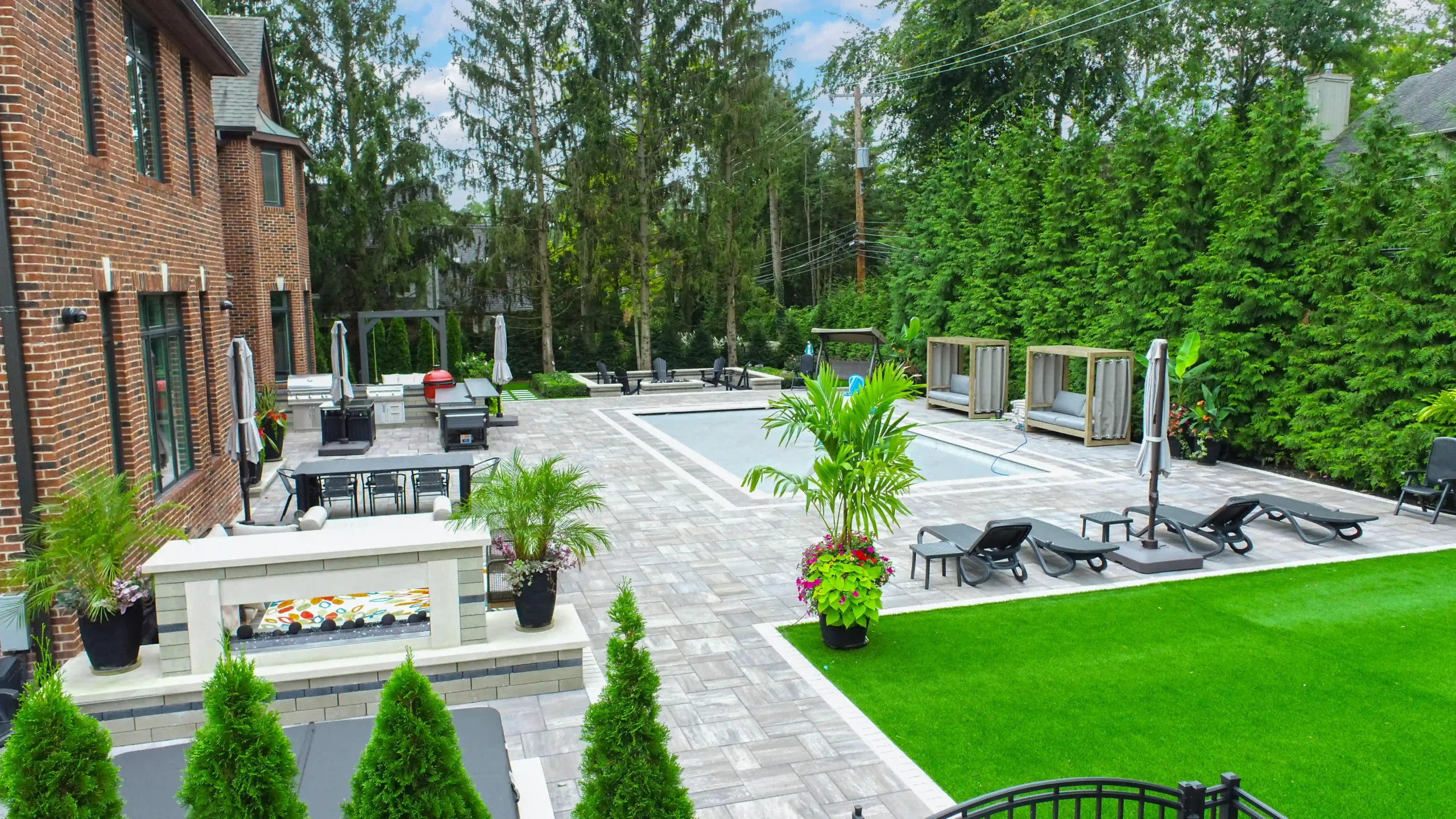
When it comes to exterior surfaces on most US homes, brick pavers continue to be a strong, popular, and effective choice. Common areas where these brick pavers are used are patios, driveways, and walkways. These brick pavers assure durability and timelessness. But any hardscape, pavers will surely succumb to wear and tear, most especially because of the freeze-thaw cycles and moisture.
If you wish your outdoors to remain safe, useful, and pleasing, then it’s necessary to recognize early warning signs. Here’s how you know you’re ready for brick paver repair before little damage turns into costly damage.
1 Sinking or Uneven Pavers
If you find spots, dips, or sinking signs on the pavers, it signals the affected base of the outdoors. These sinking or uneven pavers are the most common and awkward problems in outdoor spaces. Poor drainage, erosion, or ground movement can all lead to this problem.
Such a problem is more than an eyesore. It can also be a tripping hazard, especially in high-traffic areas. You should not think twice about considering paver maintenance services. They can re-level the affected area by lifting the bricks, correcting the base, and replacing them properly.
2 Loose or Wobbly Pavers
When you find that the pavers are moving or shifting while you walk on them, they are likely no longer in a working condition. The reason might be worn-out joint sand, water intrusion, or an improperly compacted base.
Loose pavers are not safe for walking and allow water to seep in and damage the entire outdoors. You should consider a prompt brick repair. Professional repair services resecure loose bricks and prevent the issue from spreading.
3 Cracked or Chipped Pavers
Brick pavers are extremely hard. However, cracks and chips on the pavers can result from heavy loads, harsh weather, or even tree roots growing underneath. When you find a single paver being damaged, you should not ignore it, as it will let water and moisture seep in and damage the entire area.
Professional outdoor paver restoration in Michigan can replace damaged bricks with matching materials. Their services will help you restore the integrity and aesthetics of your hardscape.
4 Weeds Growing Between Pavers
Most homeowners overlook one or two weeds popping up on the pavers in their outdoor area. However, professionals consider that these are alarming signs and point to a breakdown in the joint sand that holds everything in place. Weeds grow when moisture and organic matter are present in the loose joints of these pavers.
If these are left unattended, weeds can spread quickly and damage the entire pavers. Restoring the joint sand and sealing the pavers as part of a paver maintenance service. It will eliminate the chances of weed growth between the pavers and ensure its integral functionality for several years.
5 Poor Drainage or Pooling Water
Sunken areas, clogged joints, or improper slope often block the drainage system in the pavers. As a result, you will notice pooling water around the patio or walkway after rain. It can lead to erosion of the base material, mold growth, and freeze-thaw damage. Therefore, you must provide early attention to these issues to prevent costly repairs.
6 Stains and Discolouration
The brick pavers become stained with dirt, mildew, rust, or even oil and grease. They are not a big problem, and in most cases, there is nothing to worry about. Nevertheless, when you discover green fungus and mold, there is something serious happening, such as moisture or a lack of sealing.
Discoloration also signals that the pavers need a deep cleaning, joint replacement, and resealing. Many outdoor paver restoration services in Michigan offer eco-friendly pressure washing and sealing options. These services bring your pavers back to life.
7 Matted Colour and Dull Surface
The surface area of the pavers is usually affected by the UV exposure and the adverse weather conditions. Consequently, these pavers lose their color after some time and appear dull. To avoid these problems, maintenance and sealing are required on a regular basis. These shield the finish and help to reproduce the original color.
Professional paver maintenance services can rejuvenate old pavers with specialized cleaning and color-enhancing sealants. These services save the cost of full replacement.
Don’t Wait—Restore Before You Replace
Many homeowners wait too long to address the common issues with brick pavers. These often result in more expensive and extensive projects down the road. The good news? Most issues with the brick pavers can be resolved with routine brick paver repair and maintenance, especially when found early.
Whenever you find sunken bricks, drainage issues, or surface wear, look for professional outdoor paver restoration in Michigan. They can handle such issues and ensure the pavers’ long-lasting performance.
Conclusion
In case you can see any of the warning signs mentioned above, do not hesitate. The services that our company, Luxury Resorts Designs & Build, provides are maintenance of the pavers, leveling, cleaning, joint sanding, sealing, and total restoration. We have a wide service area that covers homeowners throughout Michigan, and we ensure that we protect your investment and get your outdoor areas as neat as you want them to be.
Contact us today for a free consultation and see how easy it is to bring your pavers back to life.
FAQ
How do I know if my brick pavers need repair?
The common signs of wear and tear on the brick pavers include sinking, loose or wobbly bricks, cracking, weeds between joints, and visible water pooling after rain.
Can I repair brick pavers myself, or should I hire a pro?
DIY services can be great for small fixes. However, hiring professional paver maintenance services is a wise decision. They ensure proper leveling, drainage correction, and lasting results.
How often should I maintain my brick pavers?
We recommend a full pavement maintenance check every 1–2 years. These include cleaning, joint sanding, and sealing for long-term protection.
What causes brick pavers to shift or sink?
Poor drainage, erosion, freeze-thaw cycles, or an improperly compacted base are the common reasons for sinking or uneven surfaces.